Trauma Partial Hospital Program
70% of adults in the U.S. experience some type of traumatic event at least once in their lives. If you are struggling with the effects of trauma, our world-renowned experts are here to help you. Contact us today to talk about your treatment options.
At McLean, we understand that traumatic events or experiences can be unique to the individual. For some, the experience of trauma results in post-traumatic stress disorder (PTSD) and other trauma-related disorders.
The Trauma Partial Hospital Program offers tailored, specialized treatment for PTSD, dissociative disorders, and other related disorders. Care targets the difficulties faced at each stage of the trauma recovery process.
The expert treatment team is here to help you resume meaningful activities, connect in healthy and supportive relationships, and pursue values-based goals.
For more information about our insurance-based services, please call 617.855.3100
To make a referral, please fill out the form below
Our partial hospital program (day treatment) provides education, support, and trauma-focused skills to help patients better understand and manage the impact of trauma on day-to-day functioning. The average length of treatment is 15-20 days, but it is dependent on the needs of the patient and the recommendations of the treatment team.
Partial hospital programming is ideal for those who need intensive treatment but do not require the around-the-clock support of inpatient care. Our day program is designed for those new to trauma recovery as well as those who have previously moved to other stages of recovery, but are currently struggling due to life circumstances or exacerbation of trauma symptoms.
We offer both virtual and in-person treatment options, depending on insurance coverage.
“I am grateful for the time and opportunity I was given in the program. I feel like I am journeying outside of the darkness now. Life has begun to bud and I feel the sun on my face.”– Former patient
McLean’s Approach to Care
Learn more about McLean’s unique approach to trauma care at the intersection of compassion and innovation.

Treatment Approach
Our specialized mental health care for PTSD, dissociation, and trauma-related disorders employs multiple evidence-based approaches.
Treatment is informed by the stage-based model of trauma recovery, addressing the patient’s past, present, and future at the appropriate step in the process. Establishing and maintaining safety and stability, along with the effective use of self-regulation skills, is essential for all stages of trauma recovery.
Partial hospital patients attend group treatment sessions Monday through Friday from 9am to 2pm. In this stage of treatment, patients work toward the goal of better understanding how past trauma affects them in the present, with an emphasis on safety, stability, and skills practice.
Patients explore and process past experiences of trauma to reduce the intensity of intrusive memories, eliminate avoidance behaviors, address difficult emotions (such as fear, guilt, shame, and anger), and give context to traumatic experiences as part of their life story.
The program is designed to help patients reconnect with activities, relationships, and other meaningful aspects of life that were affected by trauma. We aim to help people reach a stage of recovery focused on pursuing a future informed by one’s values, priorities, and interests.
Our staff includes a multidisciplinary group of board-certified psychiatrists, nurse practitioners, licensed clinical social workers, psychologists, counselors, and group therapists. This experienced team provides high-quality care tailored to each individual’s needs.
The program also integrates clinical research into patient care, adapting to latest trends and conducting studies involving patients who are willing to participate.
When clinically appropriate, patients who complete treatment in our day program may also benefit from transitioning to our outpatient offerings for continued care.
Looking for safe and secure, intensive inpatient care? Contact us today to learn about McLean’s Dissociative Disorders and Trauma Inpatient Program
Admission
Our trauma treatment care is ideal for individuals of all genders with PTSD, dissociative disorders, and other trauma-related disorders who seek support and skills to build strength and maintain command of their lives.
For further information, please contact our admissions coordinator:
Phone: 617.855.3100
Referral Form
A referring clinician should start the referral process by submitting this form:
Once the referral form is received, we will review the information to determine if our services are a good fit for the patient. A member of our staff will reach out to discuss next steps.
If you need assistance with the forms or the admission process, please contact the program using the information provided above.
Please note: A referring clinician is required for each patient. Individuals from out of state may be asked to find a Massachusetts licensed treater while receiving care at the program.
Cost
Our partial hospital program is covered by most insurance providers. McLean Hospital accepts Medicare, Massachusetts Medicaid, and many private insurance and managed care plans.
Please note: Not all insurance providers provide coverage for virtual care.
More information on insurance providers accepted by McLean Hospital may be found on the Mass General Brigham website. You may also find it beneficial to review McLean’s patient billing and financial assistance information.
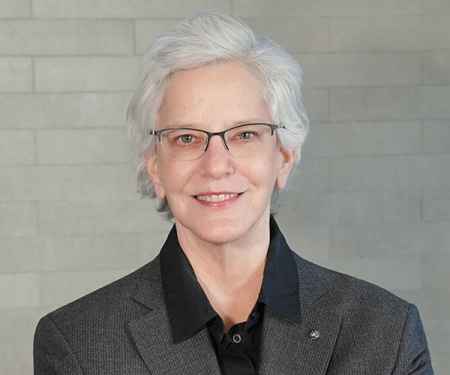
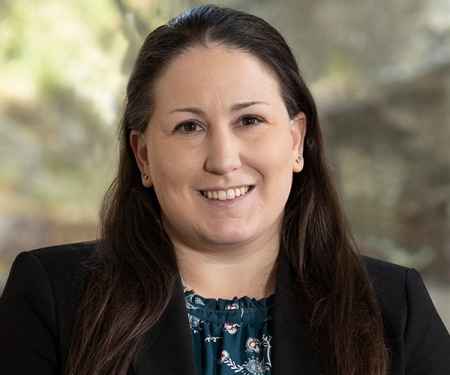
Program Leadership

Frequently Asked Questions
Where is the program located?
The program is located on the Belmont campus, in the Hill Center building. For more information on directions, parking, and local accommodations, please visit our Maps & Directions page.
Who benefits most from this trauma-focused program?
Our program focuses on treating adults diagnosed with trauma-related disorders, such as dissociative identity disorders and post-traumatic stress disorder (PTSD), who need resources to manage their disorders.
Is family involved in treatment?
With permission from the patient, we encourage family participation in treatment. Talk to your treatment team about how family might be involved in your care.
Is smoking permitted?
Smoking is allowed in designated outdoor areas only. No smoking is allowed inside any of our buildings.
Are cell phones allowed?
Cell phone use is strongly discouraged during treatment and in the waiting room to prevent disruption of the program and others.
Is aftercare planning a part of the program?
The treatment team works closely with the individual as well as with family, significant friends, and outside providers to develop a personalized aftercare plan. Recommendations by staff are made based upon clinical needs, progress made during treatment, and long-term treatment goals.
Can former patients access their medical records?
All requests for medical records should be directed to McLean’s Health Information Management Department.
Are support groups offered?
To complement our programs’ services and encourage individuals’ initiatives in their own treatment course, many self-help groups are hosted by McLean.
Does McLean gather patient feedback?
McLean is dedicated to maintaining high-quality and effective patient care. To ensure that those standards remain at the highest level, we utilize a number of feedback instruments and quality indicators.
Articles, Video, and More