3East DBT for Adolescents & Young Adults
Expert treatment for self-harm, depression, trauma support, and more. Teens and young adults learn coping skills in a caring, therapeutic environment. Call us today.
McLean’s adolescent dialectical behavior therapy (DBT) programs, collectively known as 3East, provide specialized residential and outpatient care for teens and young adults. 3East DBT for adolescents and young adults focuses on treatment for depression, anxiety, post-traumatic stress disorder (PTSD), and emerging borderline personality disorder (BPD).
We’re here to make a difference in the lives of teens and young adults from across the country and around the world who live with mental health disorders.
Call us today to talk to the admission staff: 617.855.2804
What Is DBT?
DBT stands for dialectical behavior therapy. It is a proven, effective treatment that can help teens and young adults manage their emotions and address other mental health symptoms. Learn more about DBT for teens and young adults and how to seek support.
About the McLean 3East Programs
The mission of McLean’s 3East programs is to provide DBT for adolescents and young adults, helping patients build the skills and strategies they need to work toward recovery.
The programs utilize intensive dialectical behavior therapy, known as DBT, to teach individuals how to regulate emotions, tolerate stress, build interpersonal skills, manage attention, and develop self-awareness.
DBT has been clinically tested and proven to be effective in borderline personality disorder treatment and depression treatment in adolescents and adults.
3East Emphasizes 4 Core Skill Sets
1. Mindfulness
Mindfulness skills help teens and young adults tune into their thoughts, emotions, and environment with curiosity rather than judgment. By staying grounded in the moment, they’re better able to manage emotional intensity and avoid feeling swept up or overwhelmed.
2. Interpersonal Effectiveness
Navigating friendships and social dynamics can be especially challenging during the teen years when relationships play a major role in daily life. DBT’s interpersonal effectiveness skills empower young people to express themselves clearly, handle conflict with confidence, and form more meaningful, respectful connections with others.
3. Emotion Regulation
These skills support teens in recognizing what they’re feeling and why, giving them the tools to manage emotions more effectively. As a result, they experience fewer mood swings and feel more in control of their emotional responses.
4. Distress Tolerance
Distress tolerance skills teach teens how to get through intense emotions without acting on impulse or engaging in harmful behaviors. These tools help them handle tough moments in a safer, more constructive way.
3East Is Ideal for Adolescents and Young Adults Seeking
- Borderline personality disorder treatment
- Depression treatment
- Anxiety treatment
- Post-traumatic stress disorder treatment
“My family appreciates the staff’s caring attention, exceptional devotion, and staunch support of our daughter during a tremendously difficult time. It’s not an exaggeration that McLean saved her life.”– Parent of a former 3East patient
DBT Therapy for Teens and Young Adults: 4 Treatment Options
To accommodate the growing demand for DBT services as well as the broad range of needs of our patients, 3East offers several dialectical behavior therapy programs, from intensive residential treatment to more independent residential care to outpatient therapy.
Components throughout the continuum of care include intensive DBT treatment, individual and group therapy, mindfulness practice, skills coaching, and parent skills training and guidance. Family services are included in all programs. Length of stay, ages accepted, and location vary with each program.
Learn more about the levels of care 3East can provide.
Intensive Residential Programs
- McLean’s Arlington, MA campus
- Minimum stay of 42 days
- Ages 13-21
- Up to 14 patients at a time
- 24-hour care and support, including 6 hours of weekday didactic and process-oriented groups, multiple individual therapy and family therapy sessions, and a weekly two-hour parent skills and support group. Weekends include passes to explore the local area along with family visits, which are designed to help patients practice skills and prepare for reintegration into the community.
The 3East Intensive Residential Programs are best suited to adolescents experiencing the following:
- Self-harm
- Suicidal thoughts and behavior
- Impulsivity
- Frequent mood swings
- Depression (including suicidal ideation or behaviors)
- Anxiety
- Disordered eating
- Alcohol and drug addiction
- Trauma/post-traumatic stress disorder (PTSD)
- Conflict with familial and peer relationships
- Emotional dysregulation
- Self-injurious behaviors
- School avoidance
This particular DBT program for teens and young adults is most suited to those who need concentrated treatment and the 24-hour care of a residential program.
What Does This Program Include?
Patients are immersed in the DBT curriculum to build upon their progress and reach individual goals. Designed to engage patients in their treatment, each day is carefully planned with a combination of:
- Individual therapy
- Classroom-based skills training
- Focused group therapy
- Treatment assignments
- Leisure time
- Recreational activities
Each program has a 42-day minimum length of stay, which allows the treatment team to determine the most effective way for each patient to address individual challenges and achieve goals. It also provides patients and their family members with the greatest opportunity to learn the strategies necessary to begin integrating new skills into their everyday lives.
Residential Assessment Program
- McLean’s Arlington, MA campus
- 2-week stay
- Ages 14-21
- Focused diagnostic evaluation and DBT skills training in our structured around-the-clock residential treatment setting
The assessment track is ideal for adolescents and families seeking:
- Diagnostic clarity
- Symptom assessment
- Informed treatment recommendations
What Does This Program Include?
During the program, patients:
- Complete comprehensive psychiatric, behavioral, and family system evaluations
- Participate in daily residential treatment programming, including DBT skills groups
- Engage in collaborative assessment with our expert clinical team
The program concludes with a family feedback session to review diagnostic findings, treatment recommendations, and a written summary report.
This self-pay program may be used as a standalone service or as a gateway to the full 3East residential program.
Day Treatment (Partial Hospitalization)
- Minimum stay of 20 business days (4-6 weeks) DBT program
- 8:30am-3:00pm outpatient day program (Monday-Friday)
- Ages 14 and in high school
- McLean’s Arlington, MA campus
- 10 participants accepted at a time
This program is aimed at treating young people who struggle with suicidal ideation and self-harm, as well as other high-risk impulsive behaviors. Individuals will learn to practice DBT skills to manage their symptoms and improve their level of functioning in the community.
The program is best suited for individuals who are:
- Not in need of residential care
- Learning dialectical behavior therapy for the first time
- Having difficulty effectively using outpatient DBT therapy
We also provide those who have stepped down from the 3East Intensive Residential Programs the opportunity to strengthen their treatment achievements and generalize the use of their skills.
Our day program accepts up to 10 participants at a time and provides an intensive daily treatment structure, which facilitates faster skill acquisition. We focus on identifying behaviors that may hinder an individual’s capacity to advance to the outpatient treatment setting while teaching new skills that support ongoing healthy functioning.
What Does This Program Include?
- Group DBT Therapy: This program is focused especially on DBT skills groups, incorporating the four modules of DBT—mindfulness, distress tolerance, emotion regulation, and interpersonal effectiveness.
- Individual DBT Therapy: This focuses on providing transitional/vocational therapy through skills coaching for students and their parents, and a weekly two-hour parent skills training and support group.
- Medication Consultation: Our expert clinical team offers medication consultation, family therapy, and specialized consultations. Groups are kept to a small size, with one-on-one skills coaching readily available.
Outpatient DBT for Teens & Young Adults
- Gender-inclusive adolescent DBT program
- McLean’s Child and Adolescent Outpatient Services in Cambridge, MA
- Ages 13-21
- Programs vary between a 20- and 40-week commitment
At the 3East Outpatient DBT Clinic, we specialize in identifying and treating depression and risky behavior that may include suicidal ideation and suicidal thoughts, substance use, disordered eating, risky sexual behavior, and other forms of risk-taking.
Program participants make a minimum 20-week commitment. Our treatment approach engages the patient and family in targeting five treatment areas:
- Confusion about self
- Impulsivity
- Emotional instability
- Interpersonal problems
- Parent-teen problems
Upon reaching their treatment goals, patients are invited to participate in graduate groups, designed to help maintain accomplishments and provide continued support to teens and young adults as they strive to build a more fulfilling life.
What Does This Program Include?
Outpatient services include weekly individual therapy, family therapy, and weekly multi-family skills groups, as well as skills coaching to support the effective use of skills outside of treatment.
We offer intensive residential treatment as well as a specialized day program (partial hospital) and outpatient care. Family services are included in all programs. Length of stay, ages accepted, and location vary with each program.
Additionally, the graduate program is available to adolescents who have graduated from any DBT program and includes participation in weekly graduate group sessions and individual sessions.
Does The Outpatient Program Take Insurance?
While the primary 3East program is self-pay only, McLean’s 3East Outpatient DBT Clinic accepts insurance. We are one of the few in the area to offer this service, which makes McLean’s 3East outpatient care a highly sought-after and accessible option for the community.
For more information or to make a referral to our programs, please call 617.855.2804.
What Is Our Approach to DBT Therapy for Teens at 3East?
One of the core principles of DBT for adolescents and young adults is the balance of acceptance and change. 3East’s intensive treatment provides the structure to help individuals acquire the skills they need to reduce or eliminate behaviors that are dangerous or are hindrances to self-growth and healthy functioning.
Personalized Evaluation & Care Planning
Upon admission, each patient receives a comprehensive evaluation from a specialized clinician in collaboration with the program’s medical director. This assessment explores short- and long-term treatment options, including medication, therapy preferences, family involvement, educational support, and transitional care.
Multidisciplinary & Individualized Treatment Plans
Our expert team—comprised of clinicians and support staff—identifies factors contributing to unhealthy behaviors such as self-harm, while also recognizing barriers to positive change. We create customized treatment plans that consider each individual’s history, diagnoses, and personal circumstances.
Core Program Components
- Mindfulness practice
- Classroom-based DBT skills groups
- Individual & group DBT therapy
- Skills coaching and parent guidance
- Case management and medication support
- Milieu therapy and recreational activities (yoga, art, music, etc.)
Specialized Support Services
When appropriate, patients have access to consultations for:
- Eating disorders
- Neurological conditions
- Trauma recovery
- Educational testing
- ADD/ADHD
Trauma-Informed Approaches
Our programs incorporate DBT prolonged exposure (DBT+PE), a leading therapy for treating trauma and anxiety. This helps patients gradually face painful memories and emotions in a safe, supported way—reducing symptom intensity over time.
Skill Integration & Real-World Application
To support long-term growth, we balance structure and flexibility. Patients take part in local outings—such as visits to bookstores, craft stores, or nature spots—to practice using new skills in real-life settings.
Learn more about McLean’s unique approach to child and adolescent mental health care.
Understanding Teen Suicide
As a parent, what do you need to know about your teen who is experiencing self-harm or suicidal behaviors? Learn how you can get them the help they may need.
Admission
We accept patients from across the United States and around the world, and can help arrange admission from most domestic or international locations.
Our self-pay programs offer varying levels of care to address the specific needs, diagnoses, and challenges of each of our patients. The DBT programs are specifically designed to provide options for patients at different phases of the treatment and recovery process.
For more information on any of our 3East programs, or to make a referral, please contact our admission coordinator:
Phone: 617.855.2804
Email: @email
We hope to answer your call directly, or we will return your call/email within one business day.
We work with families and referring clinicians to determine whether our programs are an appropriate option for each young person. A preliminary screening is conducted over the phone to gather as much pertinent information as possible and to explain our mission and the specifics of our programs.
Cost
- 3East Intensive Residential Program: $1,900 per day with a 42-day minimum length of stay
- 3East Residential Assessment Program: $1,900 per day with a 14-day minimum length of stay
- 3East Partial Hospital Program: $900 per day
- 3East Outpatient DBT Clinic: $6,600 self-pay service fee, with insurance covering individual therapy, family therapy, and medication management—length of stay is variable
Does McLean Hospital Accept Insurance?
The programs in the 3East continuum of care are primarily self-pay. Most programs do not accept insurance or assist with insurance reimbursement efforts.
Some treatment services in the 3East DBT Outpatient Clinic are insurance-based, and outpatient program staff are available to answer insurance-related questions.
For more information on what is included in the residential day rate, see below.
Accommodations

The continuum of care at 3East offers young people the care they need in settings designed to allow them to focus on recovery. All of our programs boast well-appointed treatment areas and serene environments designed with privacy and comfort in mind.

Our residential programs are located at McLean’s Arlington campus. The comfortable, dorm-like environment of these residential programs allows our teenage and young adult patients to feel secure and focus on their treatment and well-being.

Single and double bedrooms throughout our facilities offer plenty of natural light. Individuals in our intensive programs can opt for catered meals or order takeout food and can use our dining area for communal meals.
We also offer a classroom for those who are ready to devote time to academics while continuing their treatment.
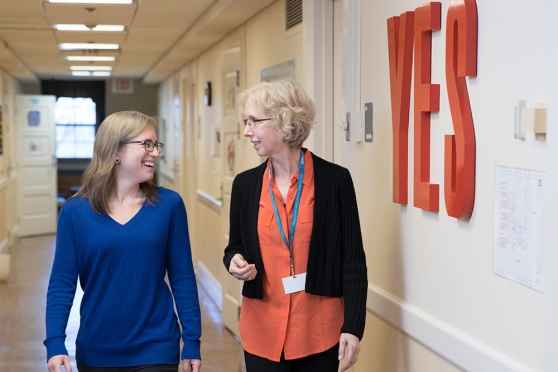
Part of residential treatment is learning to apply new coping strategies to everyday activities. Program outings are arranged on a regular basis, including dining at restaurants or other community activities designed so patients can work on improving social skills.

Since the 3East residential programs are intensive and highly structured, we make it a priority to schedule time throughout the week for recreational opportunities.
We emphasize the importance of creating a healthy balance of activities, with time for mindfulness, yoga, and exercise, and opportunities for self-expression through art, crafts, and music.
Program Leadership
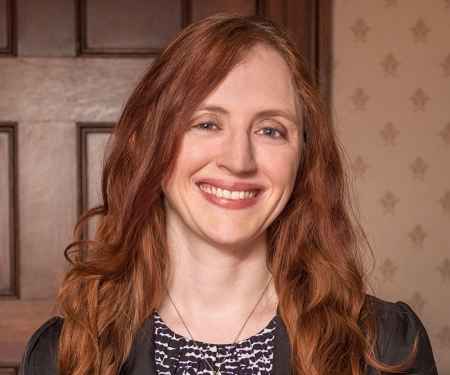



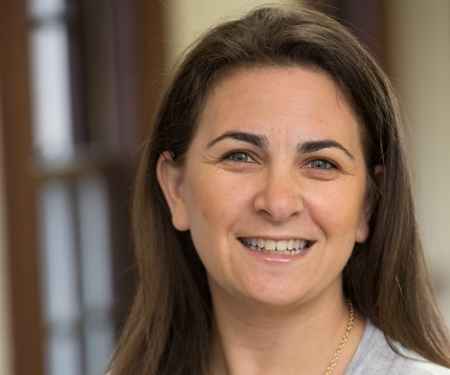
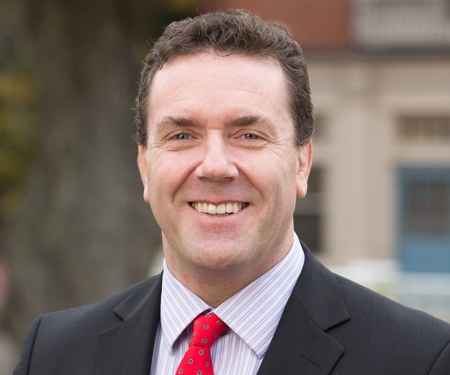
Our dedicated staff takes the time to get to know patients and their unique set of challenges, working closely with them and their families to address difficulties, build skills, maximize treatment outcomes, and transition successfully to aftercare.
3East’s compassionate, multidisciplinary clinicians have chosen to specialize in working with this patient population and are dedicated to treating young people to address their individual challenges to help them make positive changes in their lives through tailored treatment plans designed to meet individualized goals.
Frequently Asked Questions
What is included in the 3East residential day rate?
Clinical services such as:
- Individual dialectical behavior therapy (DBT) and skills training
- Parent skills training, family meetings/therapy
- 24-hour skills coaching for patients and parents
- Cognitive behavior therapy (CBT)
- Group therapy, medication evaluation and management
- Internal medicine, lab studies
- Nursing care
- Case management
- Aftercare planning
Ancillary clinical services, as clinically indicated:
- Psychological testing
- Specialty psychiatric consultations
- Additional lab studies
How does DBT support BPD?
Dialectical behavior therapy (DBT) is one of the most effective treatments for borderline personality disorder (BPD). It helps individuals manage intense emotions, reduce self-destructive behaviors, and build healthier relationships.
DBT teaches key skills like:
- Emotional regulation
- Distress tolerance
- Mindfulness
- Interpersonal effectiveness
This allows people with BPD to navigate daily life with more stability and control.
As mentioned earlier, DBT is especially helpful for BPD in its unique balance of acceptance and change. It validates the emotional pain someone is experiencing while also helping them develop tools to cope and grow.
With a structured approach that includes individual therapy, group skills training, and coaching, DBT provides the consistent support and practical strategies many people with BPD need to thrive.
Where is 3East located?
The 3East programs are primarily on McLean’s Arlington, Massachusetts campus. McLean’s Child and Adolescent Outpatient Services, located at Sancta Maria Hospital in Cambridge, Massachusetts, is home to the 3East DBT Outpatient Clinic.
For more information on directions, parking, and local accommodations, please visit our Maps & Directions page.
Who benefits most from the 3East continuum?
Our programs offer a range of treatment options for adolescents and young adults, ages 13 to 25, who have symptoms of self-injury, impulsivity, depression, anxiety, disordered eating, emerging personality disorders, substance use disorders, and post-traumatic stress disorder.
Is family involved in treatment?
Family participation is an integral part of treatment at 3East to support both the patient and also the family members.
In the residential programs, families participate in weekly DBT family therapy and we offer parent skill groups so that parents can learn and practice DBT skills and get support from other parents. Families are also incorporated into day programs and outpatient treatment.
Is smoking permitted?
3East discourages smoking and it is not allowed in some programs. Check with program staff for details on smoking policies in each program.
Smoking is permitted in designated outdoor areas only. No smoking is allowed inside any of our buildings.
When are visiting hours in the residential programs?
Visiting hours are 2-8pm, seven days a week. Visitors are permitted, following program policies.
Please speak to the patient’s treatment team for more information. Additional details can be found on the Visitors page.
Are cell phones allowed?
Cell phone permissions vary by program. In the intensive residential programs, cell phone usage is part of the behavioral level system.
Typically, patients become eligible for limited access to their cell phones after the first few weeks of treatment, depending on their treatment course and DBT skill level.
Is the patient’s participation in the programs kept private?
Privacy is of the utmost importance to 3East and we ensure confidentiality through our highly trained, professional, and discreet staff. No third party, whether known to the patient or not, has access to medical records, health information, or any program participation without prior, written authorization from the patient.
Are academics offered at the residential programs?
While our priority is treatment, we recognize the importance of education. Typically, after the initial phase of residential DBT therapy for teens, some patients may be able to manage focusing on schoolwork after the completion of the clinical day.
If it is consistent with a patient’s ongoing treatment plan, program staff works with the adolescent’s school and family to develop a realistic academic plan that may be implemented during treatment. This may involve program staff helping families identify private tutors who can work with their child while at 3East.
Are support and educational resources available?
From helpful online resources to self-help groups and more, McLean Hospital is committed to providing support and mental health education to aid patients and families on the path to recovery.
Is aftercare planning a part of the programs?
The treatment team works closely with the individual as well as with family, significant friends, and outside providers to develop a personalized aftercare plan. Recommendations by staff are made based upon clinical needs, progress made during treatment, and long-term treatment goals.
Can former patients access their medical records?
All requests for medical records should be directed to McLean’s Health Information Management Department.
Are support groups offered?
To complement our programs’ services and encourage individuals’ initiatives in their own treatment course, many self-help groups are hosted by McLean.
Does McLean gather patient feedback?
McLean is dedicated to maintaining high-quality and effective patient care. To ensure that those standards remain at the highest level, we utilize a number of feedback instruments and quality indicators.



Learn More About 3East DBT for Adolescents & Young Adults
If you are a teen or young adult, you don’t have to struggle alone. McLean Hospital is here to help.
You or your parent/guardian can contact us today to talk to a member of our admission staff about the treatment options at the 3East Adolescent DBT Programs.