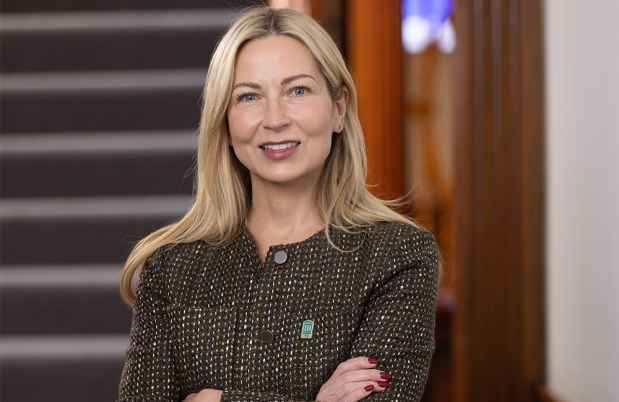
Christine Tebaldi, DNP, MPH, is chief nursing officer at McLean Hospital and vice president of nursing for Mass General Brigham Behavioral and Mental Health.
During her nearly 20-year career at McLean, she has filled diverse roles, including guiding a team in the Middle East that was establishing an addiction treatment program and serving a stint as interim associate chief operating officer.
In this Q&A, she provides insight into how McLean nurses contribute to positive outcomes for patients and their families.
When we talk about nursing at McLean are we talking one thing or many things?
Lots of things [laughing]. The fact is, more than half the workforce at McLean is part of the nursing team. Across our three campuses we have:
- 470 registered nurses
- 50 advanced practice registered nurses, such as nurse practitioners and clinical nurse specialists
- 650 mental health specialists/community residence counselors
These dedicated professionals work in all divisions and units throughout the hospital: inpatient, outpatient, residential, and partial and day programs. We also collaborate with physicians, social workers, researchers, certified peer specialists, chaplains, and group therapy teams. The one constant is our patient-centered approach to care.
How would you describe the unique roles and impact of nurses on patient care at McLean?
By combining technical skills and the ability to connect and form therapeutic relationships with patients, nursing integrates both the art and science of caring. We focus on optimizing health and human functioning, preventing illness and injury, and facilitating healing and recovery.
Nurses use their compassion and empathy to build trust so patients feel comfortable talking about their goals for treatment and how they feel. We notice the little things that can turn into big things.
For example, we assess their safety, monitor their care, strengthen their support systems, and help them engage in their own treatment. We also can identify when consulting with a peer specialist, nutritionist, chaplain, or other specialist might be helpful.
As a team, we prioritize setting patients up for success while in the hospital and after they are discharged. It’s all about leveraging that therapeutic relationship to promote healing.
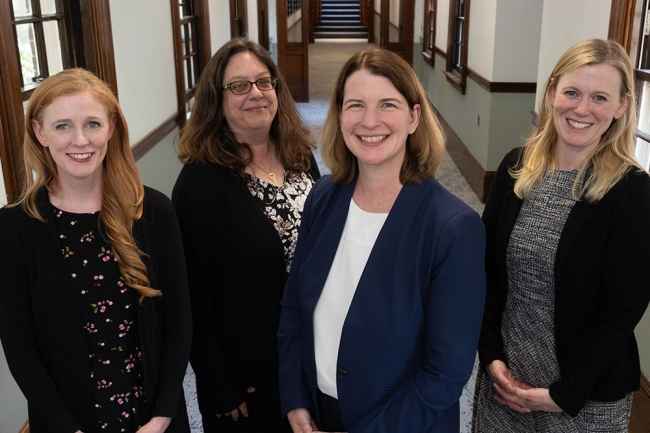
Teresa Henderson, MS, CNP, FNP-BC, nurse director, Psychiatric Neurotherapeutics Program; Nicole Visaggio, RN, nurse director, Schizophrenia and Bipolar Disorder Inpatient Program; Christine Tebaldi, DNP, MPH, chief nursing officer; Rachel D. Tester, MS, APRN, program director, Division of Alcohol, Drugs, and Addiction
Do nurses get involved in clinical research?
Yes, everything from offering education and outreach on clinical trials to helping patients fill out questionnaires to participating in data collection and, in some cases, acting as primary investigators.
We’ve had nurses present research at national conferences. At one, for example, the team presented posters focused on studies of best practices in neurotherapeutic treatments such as electroconvulsive therapy (ECT), transcranial magnetic stimulation (TMS), and ketamine.
So, the accomplishments of McLean nurses are known across the field?
Definitely. We’ve been recognized for our talent and expertise well beyond the walls of McLean.
This has been through participation in professional organizations such as the American Psychiatric Nurses Association (APNA), as well as through position papers and guidelines we have authored and disseminated.
Also, our nurses have been tapped by national and international organizations and institutions to advise on building new psychiatric mental health services or taking a good program and making it great.
What opportunities are available for training and mentoring of nurses at McLean?
First, I have to acknowledge the generous support of the Richard Saltonstall Charitable Foundation in funding professional development and education programs for McLean’s nursing staff. We have a professional development team that ensures nurses are maintaining their skills and expanding their knowledge.
With a shortage of nurses nationwide, we are focused on attracting and retaining great talent, while also growing the pool of skilled nursing professionals through our own education and training efforts. In addition, we serve as a training site for nursing students from multiple schools of nursing and participate in ongoing continuing educational programs throughout the Mass General Brigham system.
Getting back to retention, this is an area in which we’re always looking to do more. Policies are part of that strategy, as well as opportunities to step away from direct care, such as participating in day-long conferences and in-service programs.
We have also built a model based on shared governance principles, so staff can participate in policy discussions, and offer their input on workforce wellness and clinician well-being.
Can you speak about the impact of donor support for nursing?
Attracting, training, and retaining nurses who have the skills and compassion to provide patient care aligned with McLean’s standards requires donor investment. But there’s more. We also want to further study the work we do to validate that our services are best in class and to share them with the world.
We envision building an enhanced educational foundation for those coming into the profession or seeking to advance. The more resources we have, the more we can do and the better the outcomes for our patients. We welcome all donors who want to invest in our future.